Inspection and Testing Technicians
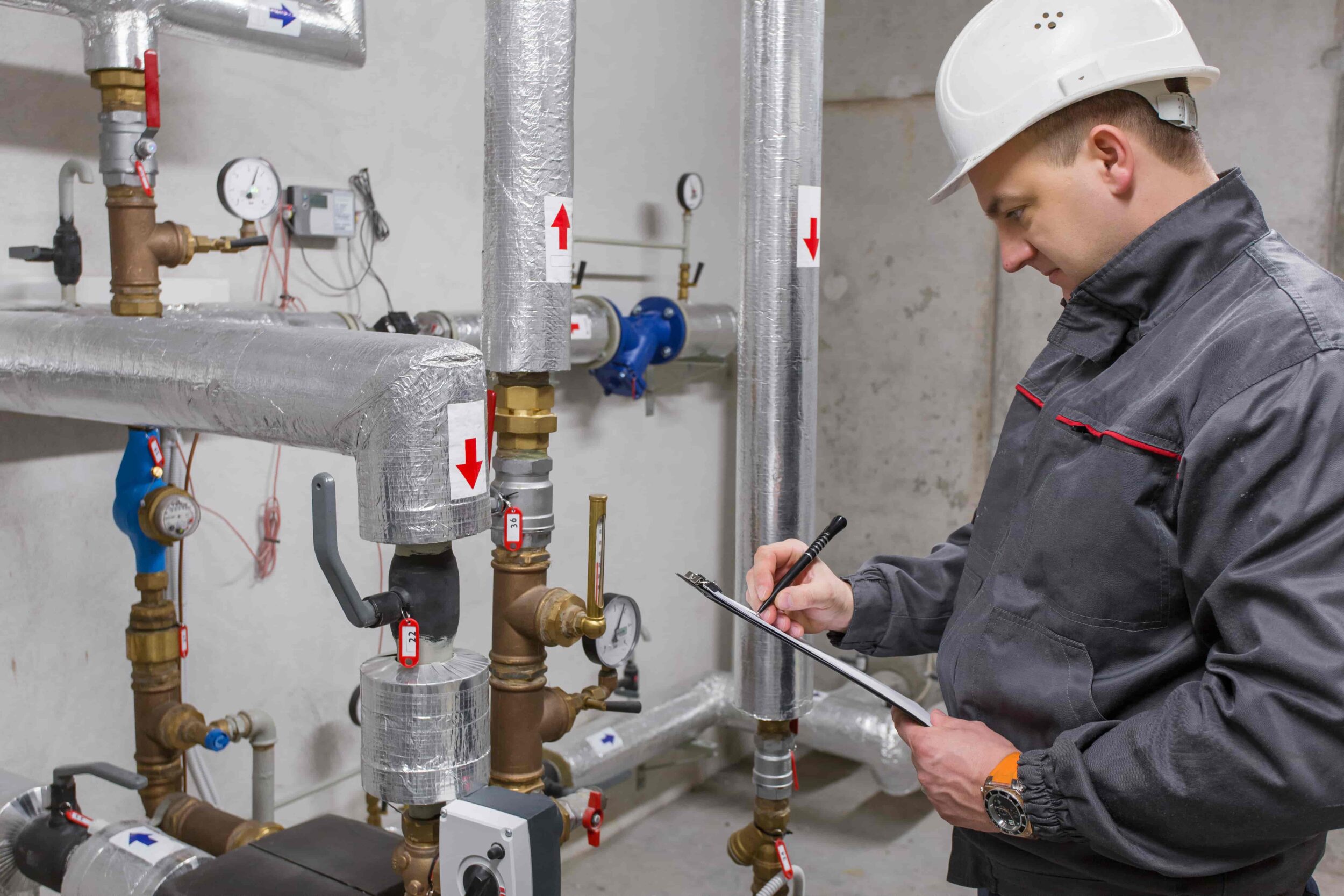
Inspection and testing technicians are needed across energy sectors. They are responsible for inspecting, testing, and monitoring equipment and facilities used in the energy industry. Their tasks contribute to worker safety, public safety, and compliance with environmental, regulatory, and contractual requirements.
The inspection and testing technician career path often starts with getting experience working in the field or facilities in a trade or technician role. Field and facility experience gives you exposure to build your skills. The experience will help you to become familiar with working in and around energy sector equipment and facilities. Certificate programs focus on testing and inspection techniques for these equipment and facilities.
There are four usual types of inspection and testing technicians. Each type requires different certificates. These are non-destructive tester (NDT), welding inspector, boiler and pressure vessel inspector, and piping inspector.
- Non-destructive testers (NDT) – gather information about the condition of materials, components, or systems without causing damage. Their work is typically done while the equipment is online. Certificates are available in three levels from Natural Resources Canada (CGSB certification) for different testing methods; related experience is required prior to writing exams ranging from one to 18 months, depending on the testing method. A lot of employers will provide all training/testing in-house. For additional details: Government of Canada > Qualifying Work Experience for NDT Certification
- Welding inspector – checks metal components and joints for adherence to specifications and standards as part of fabrication activities. Must have two to three years’ experience as a welder and pass a three-section exam offered by the Canadian Welding Bureau. For additional details: CWB Group
- Boiler and pressure vessel inspectors – inspect in-service or installed pressure equipment such as boilers, certain types of heating systems, storage tank vessels, piping systems, process pipelines, and above-ground storage tanks. Inspections can be conducted while the equipment is online, if inspections need to be done during turnaround maintenance, they can be done while the equipment is offline. Exams for various types of certifications are offered by the American Petroleum Institute (API) or National Board of Boiler and Pressure Vessel Inspectors (NB), and provincial jurisdictions (ABSA in Alberta for example); related experience is required to qualify as an inspector ranging from one to three years depending on education level. For additional details: American Petroleum Institute (API)
- Piping inspectors – inspect in-service or installed metallic piping systems to ensure installations meet code requirements. Must have a broad knowledge of maintenance, inspection, alteration, and repair of working piping systems before writing the full-day exam. Certification is based on a combination of education and experience of one to three years, depending on completed education. For additional details: American Petroleum Institute (API)
The career will appeal to you if you already have some field experience in the energy industry. This is a career where direct experience in the field or facilities as a tradesperson, technician, or engineer sets you apart. You like math and are skilled at working systematically with tools and equipment. You are curious by nature. You see the benefit of following a set of procedures and routines. You are interested in learning as equipment and facilities change around you.
Established Energy Sectors:
- Oil and Gas
- Offshore Oil and Gas
- Energy Services
- Pipelines
- Refining
Emerging Energy Sectors:
- Biofuels
- Hydrogen
- Liquefied Natural Gas (LNG)
- Carbon Capture and Storage (CCS)
What Inspection and Testing Technicians Do
Key Skills and Abilities Inspection and Testing Technicians Need
This chart shows skills, certifications, and personal attributes inspection and testing technicians need to enter and advance their career in the energy industry. Each occupation, job level, and responsibility will require a different mix of these skills and abilities.
Entry to an inspection and testing career generally comes with a mixture of practical experience and education in a trade or technology. Most employers provide on-the-job training and support to obtain inspection certificates. The roles described below are generally consistent across all energy sectors requiring inspection and testing technicians.
Personal Attributes
- Attention to detail
- Active learning
- Independence
- Adaptability
- Analytical thinking
- Collaboration
- Writing reports
Core Knowledge
- Inspection and testing concepts, practices, and procedures.
- Quality inspection procedures, tools, and equipment
- Analyzing data or information
- Operations of equipment being tested.
- Maintenance of facilities and equipment
- Safety codes, regulations, and forms relevant to equipment or facility
Technical Skills
- Inspecting equipment and facilities for defects
- Inspecting equipment and facilities for compliance with regulations
- Choosing testing equipment and tools best suited to the task
- Evaluating the risk and consequences of equipment failure
- Learning and working with new technologies
- Using analytical or scientific software
Beneficial Certifications
- Class 5 Driver’s Licence plus a clean abstract
- Standard and Emergency First Aid
- Industry-specific certifications/training may include:
- H2S Alive
- Common Safety Orientation (CSO)
- Confined Space Entry
- Respirator Fit Testing
- Construction Safety Training System (CSTS)
- Pipeline Construction Safety Training
- Workplace Hazardous Materials Information System (WHMIS)
- Fall Protection
- Certifications specific to type of inspection and testing technician
Inspection and Testing Technician Careers in the Energy Industry
There are different types of education requirements for the inspection and testing technician career. Entry to the career generally starts with experience as a worker, tradesperson, or technician in the field or at plants. Further training and certificates may be required. Most employers provide on-the-job training and support to obtain additional certificates.
The chart shows how roles and educational requirements change for each career level. As you advance your career, your education and experience can help you to move across the various sectors in the energy industry.
Career Level
Education Levels & Areas of Study
Across the levels, specific certifications are required based on the type of equipment being inspected:
- NDT Inspector
- Welding Inspector
- Boiler and Pressure Vessel Inspector
- Piping Inspector
Combinations of education and experience are supplemented by additional on-the-job learning and specialized certifications. All three levels may require any of the following education. Experience requirements cited for certifications can be reduced by having relevant education.
- High school diploma
- Certified tradesperson: boilermaker; millwright and industrial mechanic; steamfitter, pipefitter, and sprinkler system installer; welder
- 2-year college diploma (welding engineering technology, materials engineering technology, mechanical engineering technology)
- 4-year university degree in an engineering discipline
Across the levels, specific certifications are required based on the type of equipment being inspected:
- NDT Inspector
- Welding Inspector
- Boiler and Pressure Vessel Inspector
- Piping Inspector
Combinations of education and experience are supplemented by additional on-the-job learning and specialized certifications. All three levels may require any of the following education. Experience requirements cited for certifications can be reduced by having relevant education.
- High school diploma
- Certified tradesperson: boilermaker; millwright and industrial mechanic; steamfitter, pipefitter, and sprinkler system installer; welder
- 2-year college diploma (welding engineering technology, materials engineering technology, mechanical engineering technology)
- 4-year university degree in an engineering discipline
Across the levels, specific certifications are required based on the type of equipment being inspected:
- NDT Inspector
- Welding Inspector
- Boiler and Pressure Vessel Inspector
- Piping Inspector
Combinations of education and experience are supplemented by additional on-the-job learning and specialized certifications. All three levels may require any of the following education. Experience requirements cited for certifications can be reduced by having relevant education.
- High school diploma
- Certified tradesperson: boilermaker; millwright and industrial mechanic; steamfitter, pipefitter, and sprinkler system installer; welder
- 2-year college diploma (welding engineering technology, materials engineering technology, mechanical engineering technology)
- 4-year university degree in an engineering discipline
Types of Careers
Entry-level inspectors
Quality Control Technician/Inspector – Level 1
Mid-level inspectors
Quality Control Technician/Inspector – Level 2
Senior-level inspectors
Quality Control Technician/Inspector – Level 3
Career Level
Entry
Education Levels & Areas of Study
Across the levels, specific certifications are required based on the type of equipment being inspected:
- NDT Inspector
- Welding Inspector
- Boiler and Pressure Vessel Inspector
- Piping Inspector
Combinations of education and experience are supplemented by additional on-the-job learning and specialized certifications. All three levels may require any of the following education. Experience requirements cited for certifications can be reduced by having relevant education.
- High school diploma
- Certified tradesperson: boilermaker; millwright and industrial mechanic; steamfitter, pipefitter, and sprinkler system installer; welder
- 2-year college diploma (welding engineering technology, materials engineering technology, mechanical engineering technology)
- 4-year university degree in an engineering discipline
Types of Careers
Entry-level inspectors
Quality Control Technician/Inspector – Level 1
Mid
Education Levels & Areas of Study
Across the levels, specific certifications are required based on the type of equipment being inspected:
- NDT Inspector
- Welding Inspector
- Boiler and Pressure Vessel Inspector
- Piping Inspector
Combinations of education and experience are supplemented by additional on-the-job learning and specialized certifications. All three levels may require any of the following education. Experience requirements cited for certifications can be reduced by having relevant education.
- High school diploma
- Certified tradesperson: boilermaker; millwright and industrial mechanic; steamfitter, pipefitter, and sprinkler system installer; welder
- 2-year college diploma (welding engineering technology, materials engineering technology, mechanical engineering technology)
- 4-year university degree in an engineering discipline
Types of Careers
Mid-level inspectors
Quality Control Technician/Inspector – Level 2
Senior
Education Levels & Areas of Study
Across the levels, specific certifications are required based on the type of equipment being inspected:
- NDT Inspector
- Welding Inspector
- Boiler and Pressure Vessel Inspector
- Piping Inspector
Combinations of education and experience are supplemented by additional on-the-job learning and specialized certifications. All three levels may require any of the following education. Experience requirements cited for certifications can be reduced by having relevant education.
- High school diploma
- Certified tradesperson: boilermaker; millwright and industrial mechanic; steamfitter, pipefitter, and sprinkler system installer; welder
- 2-year college diploma (welding engineering technology, materials engineering technology, mechanical engineering technology)
- 4-year university degree in an engineering discipline
Types of Careers
Senior-level inspectors
Quality Control Technician/Inspector – Level 3
Transferring Inspection and Testing Technician Skills from One Energy Sector to Another
There are core skills and knowledge that all inspection and testing technicians need for their careers in all energy sectors and for all specializations.
The building blocks are:
- Knowledge of operational and maintenance processes for facilities and equipment
- Proficiency with tests, tools, and techniques to conduct inspections, identify defects, and determine the soundness of a material or components
- Interpretation of inspection results to determine improvement steps needed for safety and compliance with regulations and specifications
- Knowledge of regulations, safety codes, and inspection forms for specific equipment and facilities
- Ability to work with operations leaders and workers to obtain support for quality assessment results and recommendations.
The following interactive tool presents the core skills and knowledge inspection and testing technicians need as building blocks. Each energy sector uses the building blocks in different ways.
New entrants to an inspection and testing technician career can use the tool to understand the building block skills needed to work in sectors across the energy industry. Experienced inspection and testing technicians can use the tool to understand how each building block is applied across the energy sectors.
How to use the Tool:
- Click on a building block
- Click on a sector
- Read about how that skill can be used in a specific sector
Choose a building block
-
Knowledge of operational and maintenance processes for facility and equipment
-
Proficiency with tests, tools, and techniques to conduct inspections, identify defects, and determine the soundness of a material or components
-
Interpretation of inspection results to determine improvement steps needed for safety and compliance with regulations and specifications
-
Knowledge of regulations, safety codes, and inspection forms for specific equipment and facilities
-
Ability to work with operations leaders and workers to obtain support for quality assessment results and recommendations
Browse energy sectors
Select to learn how these skills can be applied across energy sectors
- Equipment, pressure vessels, pipelines, storage tanks
- Understand how this equipment is used in oil and gas exploration, production, and field operations
- Equipment, pressure vessels, pipelines, storage tanks
- Understand how this equipment is used in offshore oil and gas exploration, production and operations
- Equipment, pressure vessels, pipelines, storage tanks
- Understand how this equipment is used in bitumen mining and in-situ extraction
- Equipment, pressure vessels, pipelines, storage tanks
- Understand how this equipment is used in production, processing, and transportation of energy products
- Equipment, pressure vessels, pipelines, storage tanks
- Understand how this equipment is used in pipeline transportation and storage facilities
- Equipment, pressure vessels, pipelines, storage tanks
- Understand how this equipment is used in hydrogen production, storage, upgrading, and transportation
- Equipment, pressure vessels, pipelines, storage tanks
- Understand how this equipment is used in carbon capture, separation, purification, liquefication, steam generation, and transportation
- Equipment, pressure vessels, pipelines, storage tanks
- Understand how this equipment is used in natural gas liquefication, storage, transportation, and re-gasification
- Equipment, pressure vessels, pipelines, storage tanks
- Understand how this equipment is used in oil refining
- Equipment, pressure vessels, pipelines, storage tanks
- Understand how this equipment is used in biofuel refining, petrochemical processing, carbon capture and transportation of feedstock and biofuels
Browse energy sectors
Select to learn how these skills can be applied across energy sectors
- Equipment, pressure vessels, pipelines, storage tanks
- Understand how this equipment is used in oil and gas exploration, production, and field operations
- Equipment, pressure vessels, pipelines, storage tanks
- Understand how this equipment is used in offshore oil and gas exploration, production and operations
- Equipment, pressure vessels, pipelines, storage tanks
- Understand how this equipment is used in bitumen mining and in-situ extraction
- Equipment, pressure vessels, pipelines, storage tanks
- Understand how this equipment is used in production, processing, and transportation of energy products
- Equipment, pressure vessels, pipelines, storage tanks
- Understand how this equipment is used in pipeline transportation and storage facilities
- Equipment, pressure vessels, pipelines, storage tanks
- Understand how this equipment is used in hydrogen production, storage, upgrading, and transportation
- Equipment, pressure vessels, pipelines, storage tanks
- Understand how this equipment is used in carbon capture, separation, purification, liquefication, steam generation, and transportation
- Equipment, pressure vessels, pipelines, storage tanks
- Understand how this equipment is used in natural gas liquefication, storage, transportation, and re-gasification
- Equipment, pressure vessels, pipelines, storage tanks
- Understand how this equipment is used in oil refining
- Equipment, pressure vessels, pipelines, storage tanks
- Understand how this equipment is used in biofuel refining, petrochemical processing, carbon capture and transportation of feedstock and biofuels
Browse energy sectors
Select to learn how these skills can be applied across energy sectors
- Selection of the testing method
- Use of the testing method to evaluate:
- Safety and quality of equipment, materials, and products
- Compliance with federal and provincial regulations
Proficiency with traditional and advanced inspection and testing methods
Browse energy sectors
Select to learn how these skills can be applied across energy sectors
- Selection of the testing method
- Use of the testing method to evaluate:
- Safety and quality of equipment, materials, and products
- Compliance with federal and provincial regulations
Proficiency with traditional and advanced inspection and testing methods
Browse energy sectors
Select to learn how these skills can be applied across energy sectors
- Using inspection results to prepare reports on compliance and integrity issues
- Communicating inspection results and issues with operations leaders and workers
- Providing guidance to find suitable solutions to compliance and integrity issues
Browse energy sectors
Select to learn how these skills can be applied across energy sectors
- Using inspection results to prepare reports on compliance and integrity issues
- Communicating inspection results and issues with operations leaders and workers
- Providing guidance to find suitable solutions to compliance and integrity issues
Browse energy sectors
Select to learn how these skills can be applied across energy sectors
- Codes and regulations that drive inspection requirements for equipment, facilities and materials used in operations
- Lockout Tagout procedures
- Emergency response procedures
- Pipeline construction safety
- H2S Alive
- Common Safety Orientation (CSO)
- Oil spill response
- Codes and regulations that drive inspection requirements for equipment, facilities and materials used in operations
- Lockout Tagout procedures
- Emergency response procedures
- Pipeline construction safety
- H2S Alive
- Common Safety Orientation (CSO)
- Oil spill response
- Basic survival and
- helicopter/vessel safety
- Codes and regulations that drive inspection requirements for equipment, facilities and materials used in operations
- Lockout Tagout procedures
- Emergency response procedures
- Pipeline construction safety
- H2S Alive
- Common Safety Orientation (CSO)
- Oil spill response
- Codes and regulations that drive inspection requirements for equipment, facilities and materials used in operations
- Lockout Tagout procedures
- Emergency response procedures
- Pipeline construction safety
- H2S Alive
- Common Safety Orientation (CSO)
- Oil spill response
- Transportation of Dangerous Goods (TDG)
- Codes and regulations that drive inspection requirements for equipment, facilities and materials used in operations
- Lockout Tagout procedures
- Emergency response procedures
- Pipeline construction safety
- H2S Alive
- Common Safety Orientation (CSO)
- Oil spill response
- Codes and regulations that drive inspection requirements for equipment, facilities and materials used in operations
- Lockout Tagout procedures
- Emergency response procedures
- Pipeline construction safety
- H2S Alive
- Oil spill response
- Advanced hydrogen safety
- Transporting and handling hydrogen safely
- Codes and regulations that drive inspection requirements for equipment, facilities and materials used in operations
- Lockout Tagout procedures
- Emergency response procedures
- Pipeline construction safety
- H2S Alive
- Oil spill response
- Potential hazards of working with CO2
- Codes and regulations that drive inspection requirements for equipment, facilities and materials used in operations
- Lockout Tagout procedures
- Emergency response procedures
- Pipeline construction safety
- H2S Alive
- Oil spill response
- Canadian Marine Certification of Competency
- Small vessel operator proficiency
- Radio licence
- Codes and regulations that drive inspection requirements for equipment, facilities and materials used in operations
- Lockout Tagout procedures
- Emergency response procedures
- Pipeline construction safety
- H2S Alive
- Oil spill response
- Transportation of Dangerous Goods (TDG)
- Codes and regulations that drive inspection requirements for equipment, facilities and materials used in operations
- Lockout Tagout procedures
- Emergency response procedures
- Pipeline construction safety
- H2S Alive
- Oil spill response
- Transportation of Dangerous Goods (TDG)
Browse energy sectors
Select to learn how these skills can be applied across energy sectors
- Codes and regulations that drive inspection requirements for equipment, facilities and materials used in operations
- Lockout Tagout procedures
- Emergency response procedures
- Pipeline construction safety
- H2S Alive
- Common Safety Orientation (CSO)
- Oil spill response
- Codes and regulations that drive inspection requirements for equipment, facilities and materials used in operations
- Lockout Tagout procedures
- Emergency response procedures
- Pipeline construction safety
- H2S Alive
- Common Safety Orientation (CSO)
- Oil spill response
- Basic survival and
- helicopter/vessel safety
- Codes and regulations that drive inspection requirements for equipment, facilities and materials used in operations
- Lockout Tagout procedures
- Emergency response procedures
- Pipeline construction safety
- H2S Alive
- Common Safety Orientation (CSO)
- Oil spill response
- Codes and regulations that drive inspection requirements for equipment, facilities and materials used in operations
- Lockout Tagout procedures
- Emergency response procedures
- Pipeline construction safety
- H2S Alive
- Common Safety Orientation (CSO)
- Oil spill response
- Transportation of Dangerous Goods (TDG)
- Codes and regulations that drive inspection requirements for equipment, facilities and materials used in operations
- Lockout Tagout procedures
- Emergency response procedures
- Pipeline construction safety
- H2S Alive
- Common Safety Orientation (CSO)
- Oil spill response
- Codes and regulations that drive inspection requirements for equipment, facilities and materials used in operations
- Lockout Tagout procedures
- Emergency response procedures
- Pipeline construction safety
- H2S Alive
- Oil spill response
- Advanced hydrogen safety
- Transporting and handling hydrogen safely
- Codes and regulations that drive inspection requirements for equipment, facilities and materials used in operations
- Lockout Tagout procedures
- Emergency response procedures
- Pipeline construction safety
- H2S Alive
- Oil spill response
- Potential hazards of working with CO2
- Codes and regulations that drive inspection requirements for equipment, facilities and materials used in operations
- Lockout Tagout procedures
- Emergency response procedures
- Pipeline construction safety
- H2S Alive
- Oil spill response
- Canadian Marine Certification of Competency
- Small vessel operator proficiency
- Radio licence
- Codes and regulations that drive inspection requirements for equipment, facilities and materials used in operations
- Lockout Tagout procedures
- Emergency response procedures
- Pipeline construction safety
- H2S Alive
- Oil spill response
- Transportation of Dangerous Goods (TDG)
- Codes and regulations that drive inspection requirements for equipment, facilities and materials used in operations
- Lockout Tagout procedures
- Emergency response procedures
- Pipeline construction safety
- H2S Alive
- Oil spill response
- Transportation of Dangerous Goods (TDG)
Browse energy sectors
Select to learn how these skills can be applied across energy sectors
- Communicate inspection and test results to managers and supervisors
- Work with operations personnel to manage and implement inspection plans
- Provide direction on necessary actions to rectify compliance issues
Browse energy sectors
Select to learn how these skills can be applied across energy sectors
- Communicate inspection and test results to managers and supervisors
- Work with operations personnel to manage and implement inspection plans
- Provide direction on necessary actions to rectify compliance issues
